About Lori Weise

This author has not yet filled in any details.
So far Lori Weise has created 35 blog entries.

What Two Years of Social Work at the South Los Angeles Shelter Has Made Possible

A recent article in Capital & Main shines a necessary light on work that often happens quietly, at the margins, and under immense pressure: the Social Work Program at the South Los Angeles Shelter, led by Jackie Parra and operated by Downtown Dog Rescue.

Keeping People With Their Pets Can Help L.A.’s Housing Crisis — and Mental Health

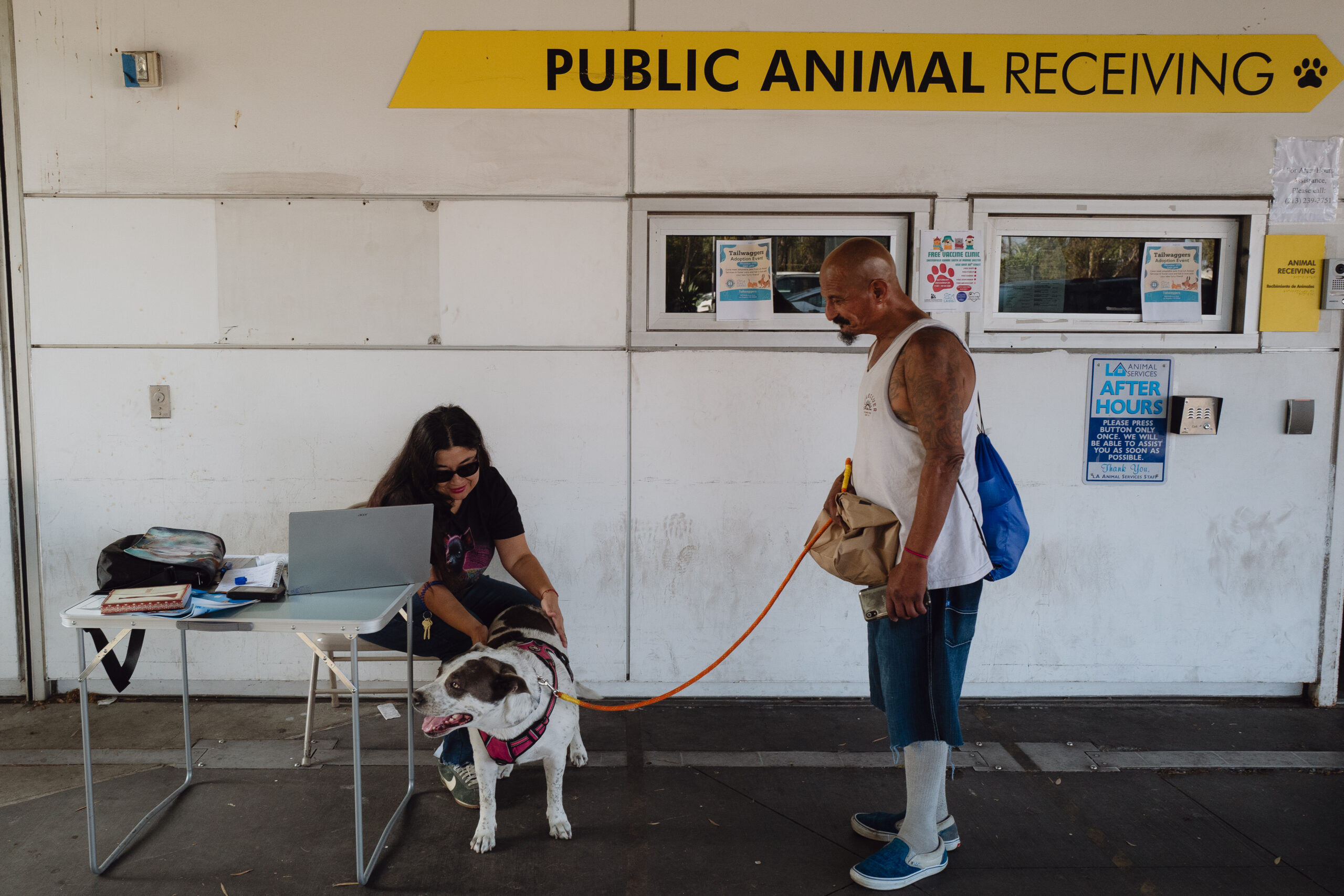
For two years, Jackie has been embedded at the South Los Angeles Animal Services Shelter, meeting people at one of the most destabilizing moments of their lives—when they believe surrendering their pet is their only remaining option. What the article makes clear is this: when social work is placed directly inside the shelter system, outcomes change—for people, for animals, and for the broader community.
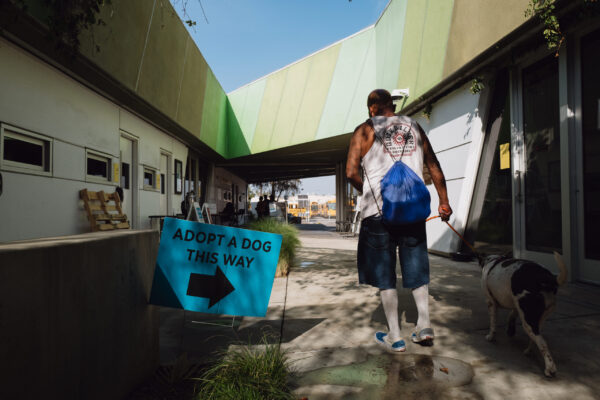
Robert Valenzuela and his dog, Mamas, walk through the gates of the South Los Angeles Animal Shelter on Dec. 2025. Zaydee Sanchez/Capital and Main

The Numbers Tell a Powerful Story

As of the end of December, the Social Work Program has achieved measurable, human-centered impact:

  • 383 in-depth meetings with clients enrolled in the program

  • 1,945 meaningful referrals to service providers, spanning housing support, mental health care, domestic violence services, veterinary care, food access, and legal resources

These are not casual hand-offs or pamphlets. Each referral represents time, follow-up, trust, and navigation through systems that are often fragmented and difficult to access—especially for people experiencing homelessness, housing instability, trauma, or poverty.

Why Social Work Inside a Shelter Matters

Animal shelters are often treated as endpoints. In reality, they are crossroads—where housing insecurity, mental health crises, domestic violence, economic hardship, and systemic inequities all converge.

For many people, their pet is not incidental. Their animal is emotional stability, protection, routine, and love. When someone is forced to choose between housing and their pet, the result is almost always compounded loss.

Jackie’s role changes that equation. She listens first. She assesses what is actually happening in a client’s life. She connects people to services that can stabilize their situation before a surrender becomes permanent.

The Capital & Main article highlights how this approach not only keeps pets with their people, but also supports housing retention, mental health stability, and long-term resilience. This is prevention work—quiet, rigorous, and deeply effective.

What’s at Risk

Despite its success, this program is fragile.

Jackie’s position has been funded through time-limited grants. That funding is ending soon, even as demand for services continues to rise. Without sustained donor support, the Social Work Program at the South Los Angeles Shelter is at risk of disappearing—along with a proven model that keeps families together and reduces unnecessary suffering.
From the Streets to Our Clinic: Stories of Healing and Hope

Last week, our DDR clinic, located in Maywood, opened its doors for a special day dedicated to pets living with people who are unhoused. Whether they are surviving in tents, cars, RVs, motels, shelters, or moving from couch to couch, we know that pets remain a constant source of love, stability, and purpose in their lives.

On this day, our clinic was more than a veterinary center—it became a safe and welcoming space. Our social worker, Jackie, was on site, greeting everyone with warmth, listening deeply, and offering resources to anyone who needed them. For some, that meant connecting to housing services or mental health support. For others, it was simply having someone sit across from them and listen.

Our Medical Director, Dr. Hoffman, dedicated her entire day to the pets who came through our doors. From exams and vaccinations to diagnosis, bloodwork, and treatment plans, each pet was given the highest standard of care. Several pets will need surgery or follow-up visits, and we are committed to walking alongside their families through every step.

All of the clients we served that day were referred to us by Jackie, our social worker, or connected through our ongoing street outreach efforts—work that never stops. In fact, one of the major reasons we decided to open our own clinic was to focus on helping people with pets who are living on the street. By doing so, we are able to greatly increase the number of pets spayed and neutered, while eliminating many of the barriers families face: long wait times, lack of transportation, and the costs of surgery. Thanks to donor support, we can even offer a small cash bonus to encourage participation in our free spay and neuter program.

Here are three of the stories that remind us why this work matters so deeply:

Canela

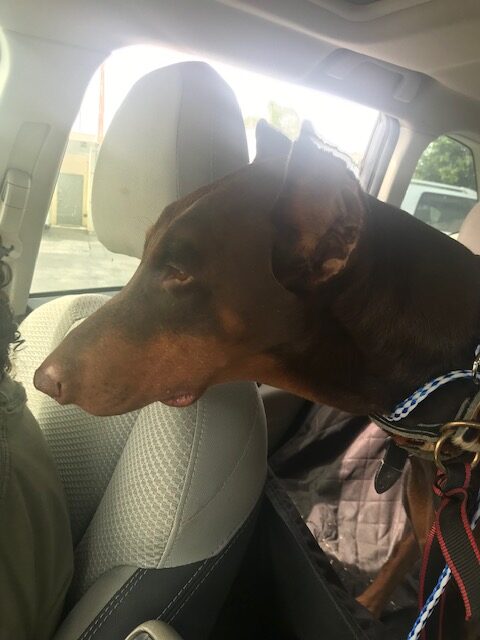
Canela, a beautiful Doberman, was picked up by a volunteer so she could be seen by our team. Because Dobermans are prone to a genetic bleeding disorder, Dr. Hoffman performed a special blood test, called the Willenbrand test, before scheduling her spay surgery. Soon, Canela will be spayed, preventing future unwanted litters of puppies and improving her long-term health.

Fiona


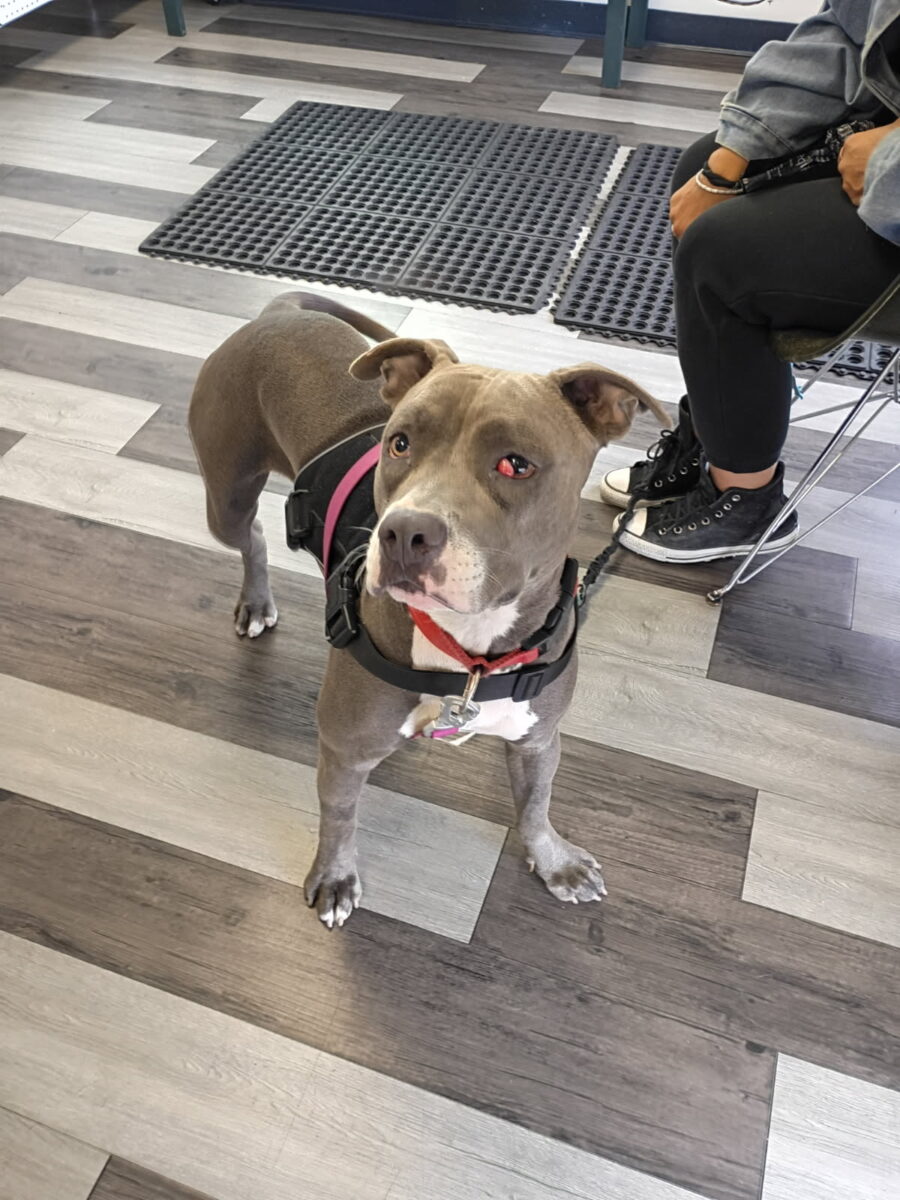
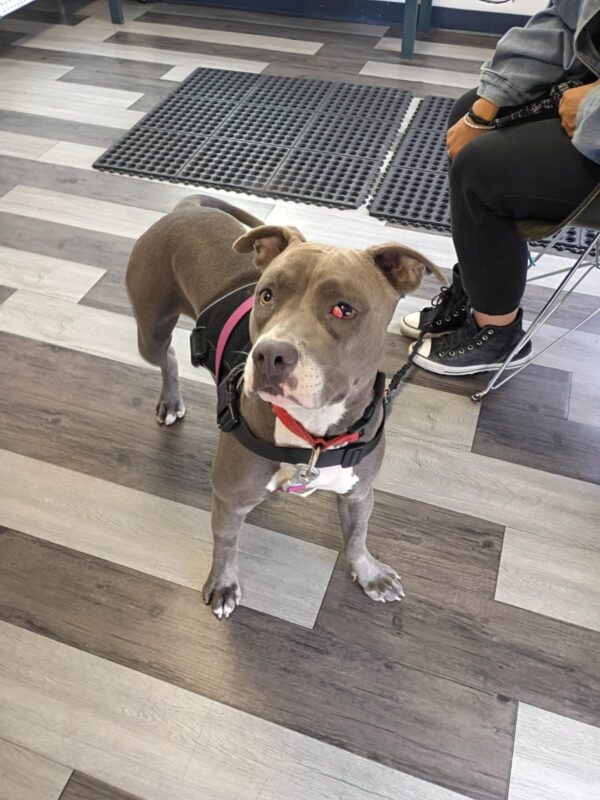
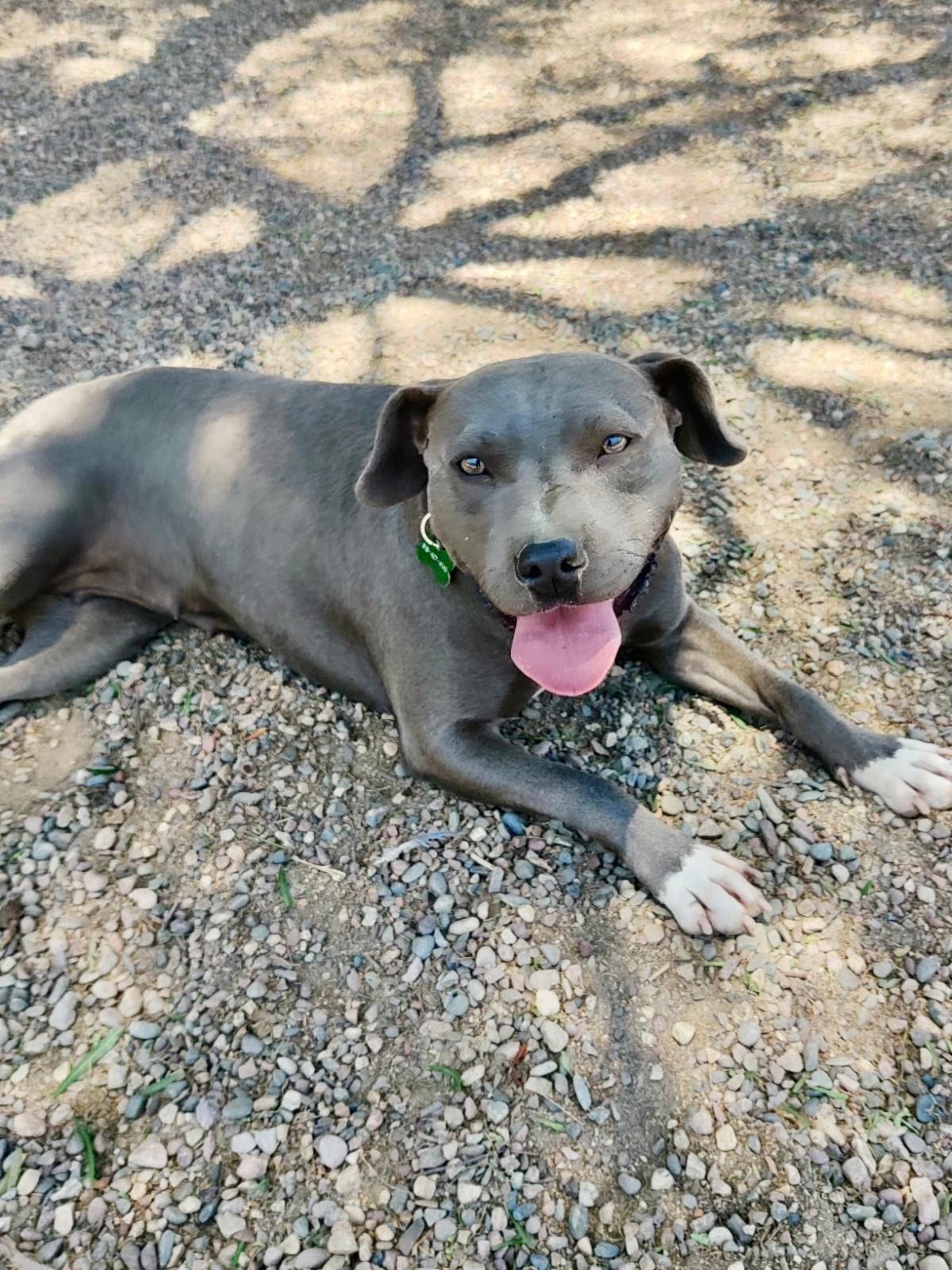
Fiona, a gentle pit bull, came in for her pre-operation exam for a condition called cherry eye. Her person could never have afforded the surgery on their own, but because of your support, Fiona’s surgery is scheduled for early October. This simple procedure will make a world of difference in her comfort and quality of life.

Diana’s Kitty

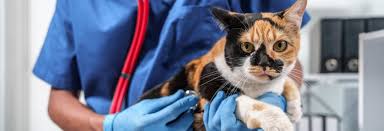
One of our longtime clients, Diana, arrived with a cat she was worried about. Diana is currently living in her car while waiting for housing, but that hasn’t stopped her from being a lifeline for others. She has become the go-to person […]

Outreach Program Update

Spayed at our Maywood Clinic by Dr. Rachel Hoffman
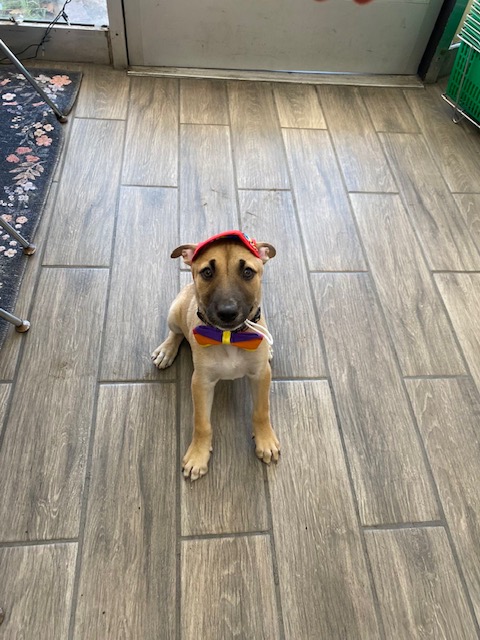
A few months ago, we changed our approach. We began offering cash to people who said no to our free spay/neuter services. Instead of walking away and waiting for the next litter to show up, we offered a different kind of help: $200 for a large breed dog, $100 for a small breed dog, and $50 per cat. No questions asked. No ID required. We cover everything—spay/neuter, vaccines, microchips, transportation to and from our Maywood clinic.

Puppy “King” was neutered and his person received $200 cash
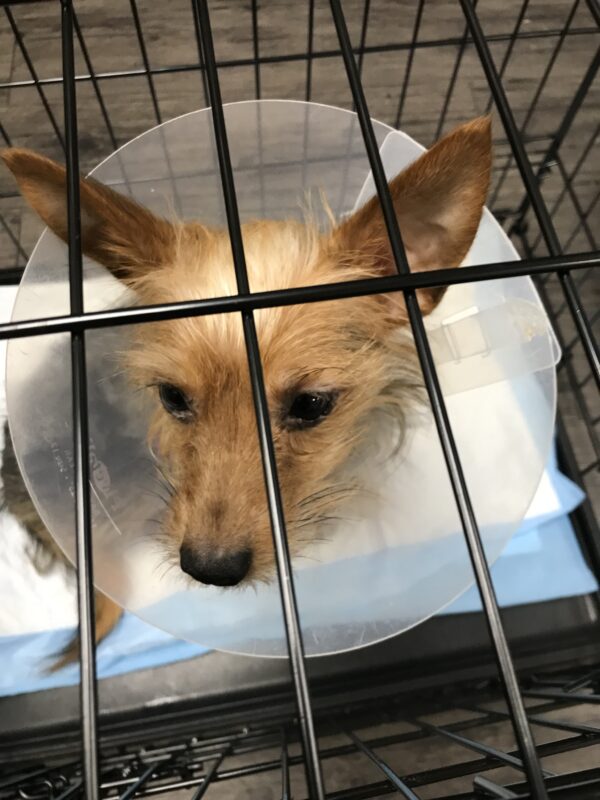
Jojo was neutered along with his siblings
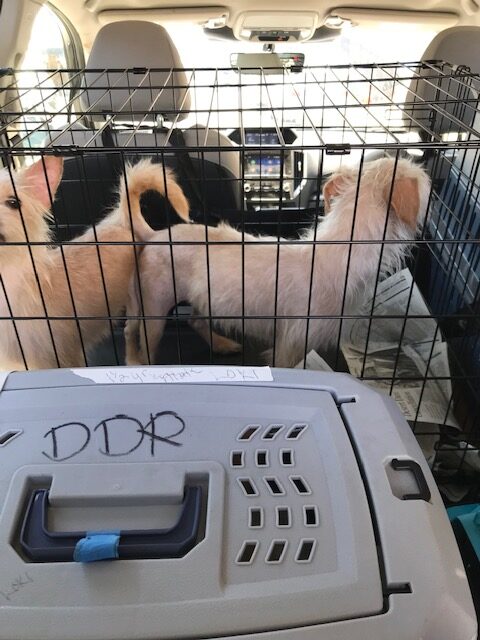
One case has taken months. Twenty-five small dogs living with someone who is unhoused. At first, they didn’t want help. They’d been burned before—people saying they wanted to help, but only interested in taking the puppies without their consent. But one of our outreach workers kept showing up. Didn’t push. Didn’t judge. Just talked.

Dogs transported to and from our Maywood Clinic
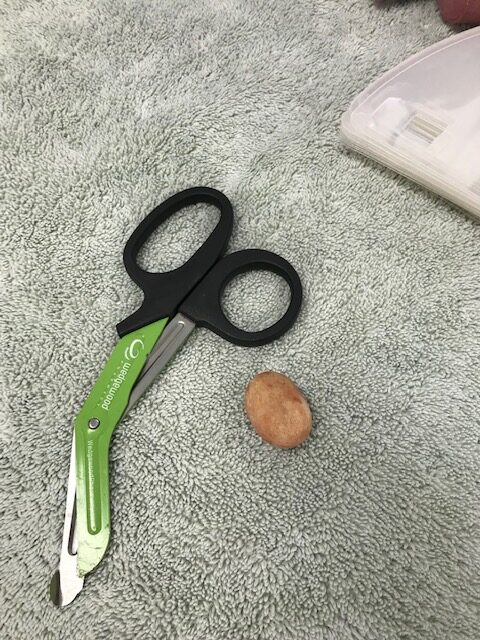
That’s how it started. The first trip to our clinic was nine dogs. Two weeks later, four more. Then another four just this week. One small dog had a history of urinary infections. Dr. Hoffman found a kidney stone during surgery and removed it. Every dog was spayed or neutered, vaccinated, microchipped, nails trimmed, dewormed, ears cleaned. They all went back home the same day.

Kidney stone removed during surgery

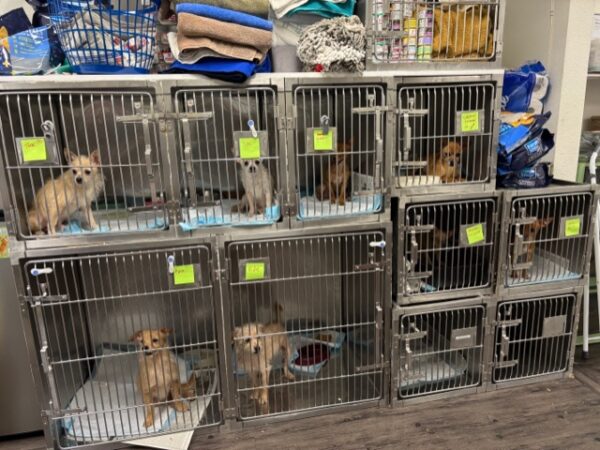
Dogs waiting to be spayed and neutered at our Maywood clinic

There are still two mama dogs with nursing puppies. Once the puppies are weaned, we’ll spay the mothers and find homes for the litters. When it’s all done, 25 dogs will have been sterilized, avoided being taken to the shelter, and we continue working on a long term plan, with hopes of placing the majority of the dogs in homes.

There’s a difference between someone who started with a male and a female dog and ended up with more because they didn’t have access to services—and someone who is breeding dogs on purpose to sell them. We know the difference. And we have a clear policy. If someone refuses to sterilize their pets, they are not eligible for any of our programs. No pet food. No vet care. And if we know someone is breeding dogs for profit, we don’t look the other way. We’ve reported breeders in the past to animal control, and we will again.

We want our supporters to understand where we stand. Our program is strict. It’s based on accountability and trust. We don’t claim to solve everything, but we show up with the resources we have. We try to listen. And when we say yes, we […]

Rethinking Rescue

Rethinking Rescue boldly confronts two of the biggest challenges of our time–poverty and homelessness–in asking the question: Who deserves the love of a pet?

In Los Angeles’s most underserved communities, Lori Weise is known as the Dog Lady, the woman who’s spent decades caring for people in poverty and the animals that love them. Long before anyone else, Weise grasped that animal and human suffering are inextricably connected and created a new rescue narrative: an enduring safety net empowering pet owners and providing resources to reduce the number of pets coming into shelters.

Rethinking Rescue: Dog Lady and the Story of America’s Forgotten People and Pets unites the causes of animal welfare and social justice, moving between Weise’s story and that of the larger U.S. rescue movement. Through captivating storytelling and investigative reporting, Carol Mithers examines the consequences of bias within this overwhelmingly white movement, where an overemphasis on placing animals in affluent homes disregards pet owners in poverty. Weise’s innovative and ultimately triumphant efforts revealed a better way.

As cities across the country witness some of the worst housing crises in history, and as the population of unhoused people and pets continues to skyrocket, Rethinking Rescue offers a story of compassion and hope.

You can buy your copy on Amazon or download it on Audible https://a.co/d/fYDSqQz

Support your local bookstore  https://www.dieselbookstore.com/book/9781640095984     https://www.vromansbookstore.com/book/9781640095984


Summer Fundraiser!

Join us Sunday June 30th for our summer fundraiser.  Tour our mobile clinic and Cat Box Clinic, and meet our medical director Dr. Rachel Hoffman, and the DDR vet team. Meet actor and DDR supporter Danny Trejo, who will be signing autographs, and taking pictures with you and your family.  Last but not least, some of our adoptable DDR dogs will be mingling at the party.  Consider adopting or fostering a DDR dog so that we can rescue more dogs from over crowded shelters.

Please RSVP to let us know that you will be joining us as we raise funds to increase access to veterinary care for everyone.  If you can’t make it out to the party, consider making a donation to DDR

Donate

See you at the PARTY!

Letter from Lori

Dear Friends and Supporters,

I am writing to you today to share an inspiring story about our work and to ask for your vital support to continue serving our community. For the past several months, DDR’s mobile clinic has become a community focused, vital resource for low-income families and their beloved pets. Operating two to three days a week, our clinic offers essential spay/neuter services, vaccinations, and microchipping. Tuesday and Thursday, our mobile clinic parks behind Clancy’s Closet, and our team performs surgeries for 20-25 cats and dogs.

Allow me to share a special story that exemplifies the impact of our work. Baby, a beautiful two-year-old blue pit bull, had a litter of puppies about four months ago. Her owner, who was recently housed, reached out to us in desperate need of spay/neuter services for Baby, and Lucky, her male dog. Two months ago, we successfully neutered Lucky, but due to a series of unforeseen circumstances, Baby’s spay appointment was repeatedly delayed. Despite these challenges, our team remained patient and committed. Finally, we were able to pick up Baby and her owner, bring them to Clancy’s Closet, and Dr. Hoffman performed the much-needed spay surgery.  This story highlights the compassion and perseverance that define our work and the trust we build with the families we serve.

In addition to our spay/neuter services, our Cat Box Clinic addresses various medical needs for pet cats from low-income families who cannot afford veterinary care. Dr. Hoffman and RVT Claudia treat cats with wounds, ringworm, upper respiratory infections, and various skin, eye, and ear infections. Families contribute what they can, but no one is ever turned away due to inability to pay.

Running these clinics is not inexpensive. We bear the costs of staff salaries, medicines, and supplies, just like any for-profit veterinary clinic. To continue providing these critical services, we urgently need your support. A donation of $100 covers spay/neuter and vaccinations for a cat, while $200 does the same for a dog.


       

Please consider making a donation today to help us continue our mission. Your generosity ensures that we can keep our mobile clinic and Cat Box Clinic running, offering a lifeline to pets and their families who need it most.   DONATE

Thank you for your kindness and support.

With gratitude,

Lori Weise
Executive Director – Founder

Meet our Social Worker

Meet our new social worker, Jackie Parra. Her first day, on site at the South Los Angeles Shelter, was April 9th. Thanks to a generous grant from https://www.californiaforallanimals.com/ DDR is able to employ her full-time, Tuesdays-Saturdays. Jackie has her masters in social work, and lots of experience working with unhoused people. She shares our belief that everyone deserves to be compassionately supported.                                                                                                                                                                                                 

Different than the work that our shelter intervention counselors, Amanda and Yesenia continue to do, Jackie focuses on preventing people from becoming homeless, thanks to our partners on this grant https://www.heartla.org/about-heart  Together, HEART and DDR assist people with pets who might come to the shelter to surrender their cat or dog because they believe that they have no alternatives to avoid an eviction. In addition, Jackie is there to provide increased access to a wide variety of benefits, including EBT and SSI to name a few. Most important, she is there to be that empathetic listener for people in crisis. 


Rather than referring people to other agencies to receive case management services, DDR is now able to provide a one-stop-source for all types and human and animal services, with a goal of keeping people housed, and finding a path to permanent housing for those that are unsheltered with their pets.

Check out our April report

Children (0 – 17): 0
Adults (18 – 59): 7
Seniors (60+): 6
Other (unknown): 1
Total Cases: 14
Children (0 – 17) in Households: 0
Adults (18 – 59) in Households: 7
Seniors (60+) in Households: 6
Other (unknown) in Households: 1
Total Households: 14 households with a total of 14 members

We want to share a story of how this innovative program helped one person and her two dogs avoid becoming unsheltered. Sonia (not her real name) had lived for more than two decades in her rented home when it burned down, leaving her nowhere to go with her two dogs. Her landlord was able to place her in a temporary shelter that denied the dogs. While she slept […]

Translate »